Published by Orem 24/7 Plumbing, a dispatch service in Orem, UT. Page published October 23, 2026.
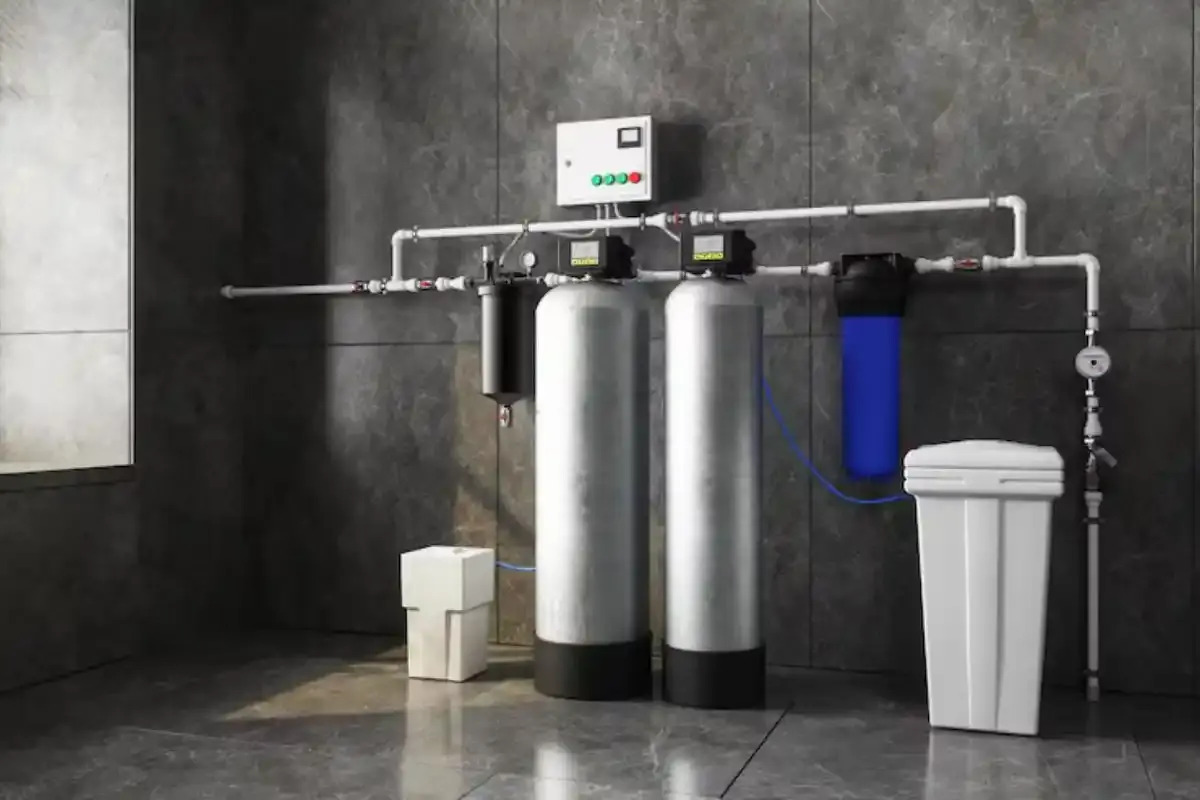
Water softener and filtration service in Orem, UT covers the equipment that treats water as it enters your home: ion-exchange softeners, sediment and carbon filters, reverse osmosis units under a sink, and the valves, brine tanks and drains that go with them. Licensed and insured plumbers install new systems, repair existing ones and connect them to your plumbing.
This is planned work, not an emergency. A system that has stopped working is an inconvenience, and a callback during business hours is usually enough. Tell the dispatcher what you are seeing, and ask about same-day appointments when available.
White crust, spotty glass, dry skin: what a softener or filter visit involves.
The symptoms people notice are mineral scale, cloudy dishes, soap that will not lather, or water that tastes off. A visit sorts out which problem you have before choosing equipment.
Describe the problem
On the call, say what you see: crust on fixtures, a salt tank that does not empty, a taste or smell, or low pressure after a filter.
Test and inspect
The plumber checks the existing equipment, the bypass valve and the drain, and may test the water at the tap.
Choose the treatment
A softener removes the hardness minerals, calcium and magnesium. A filter removes sediment, chlorine taste or particles. A reverse osmosis unit polishes drinking water at one tap.
Install or repair
Valves, lines, a drain connection and an overflow path are set up, or the failed part is replaced.
Set up and explain
Regeneration settings, salt loading and filter change schedules are explained, and you see where the bypass valve sits.
Softener or filter: two different jobs.
People use the words as if they mean one thing. A water softener swaps hardness minerals for sodium or potassium in a resin bed, and it needs salt and a drain to regenerate. A filter catches particles or chemicals and does nothing for scale. A system built for your problem may include both.
Under-sink reverse osmosis is a third path. It treats only the water at one faucet, uses a membrane and a small storage tank, and produces drinking water without touching the rest of the house. Whole-home filtration uses a large cartridge or tank at the main line to treat everything entering the house.
Common repair calls are simple. A stuck or failed control valve, a clogged injector, a salt bridge in the brine tank, a brine well problem or a worn bypass valve can each stop a softener from working. Water conditioner repair often takes less time than people expect, but valve head replacement is a common outcome on older units. Ask when you call whether the unit is worth repairing or is near the end of its life.
What drives the cost of softener and filter work.
Treatment equipment ranges widely, so a number only makes sense after the plumber knows your goal and your plumbing.
Type and size of the system
Whole-home softeners, carbon filters and under-sink reverse osmosis units are very different in scope.
Plumbing modifications
A bypass loop, a drain connection and an electrical outlet nearby are required, and some homes need more pipework than others.
Repair versus replace
A new valve head or injector on a sound tank costs far less than replacing the unit.
Water supply and flow rate
Households with more people or fixtures need more capacity, and that changes the equipment.
Ongoing costs
Salt, filter cartridges and membrane replacement belong in any comparison.
Planned water treatment installs and wear are not covered by insurance. If a brine line or filter housing has soaked a floor, check your policy, because sudden and accidental damage is the kind typically covered and a slow drip is typically excluded.
A fair quote lists the equipment, the labor and the yearly upkeep separately. For a real number on your house, call (385) 488-1892 with your goal and the current equipment, if any.
Want equipment matched to your water instead of guessing? Call (385) 488-1892 and describe what you see.
Call (385) 488-1892Which treatment answers which problem.
Match the symptom to the equipment before you buy anything.
| What you notice | Likely cause | Equipment that addresses it. |
|---|---|---|
| White crust on faucets and showerheads | Dissolved minerals drying out | Ion-exchange water softener. |
| Chlorine taste or smell | Treatment chemicals in supply water | Carbon filter, whole-home or under-sink. |
| Cloudy water or specks | Sediment from pipes or the main | Sediment filter, and a plumbing check. |
| Drinking water that tastes off | Several possible dissolved contaminants | Reverse osmosis at the kitchen tap. |
| Softener not using salt | Salt bridge, stuck valve or injector | Repair or valve replacement. |
| Low pressure after a new filter | Clogged cartridge or undersized housing | Cartridge change or a larger housing. |
A treatment system does not fix corroded pipes or a failing water heater, so the plumber should look at those separately.
Reading Orem's water before you buy equipment.
The City of Orem's 2022 water conservation plan says its culinary water comes from nine deep wells, city springs and Provo River water treated at the Don A. Christiansen Regional Water Treatment Plant, with surface water averaging about 62 percent over ten years. Because the mix varies, water chemistry can differ by season and by where a home sits. That is why equipment sized for a neighbor may not fit your tap.
We do not quote a hardness number here, since the right figure comes from the utility's annual water quality report and a test of your own tap. Read the report first, then test. A treatment system makes sense when the result matches the symptoms you see on fixtures, glass and appliances. Tankless heaters are sensitive to scale, and the tankless water heater page explains why mineral management matters for those units.
Orem's galvanized service line replacement program also means some homes still have older steel lines coming from the street. Those can shed rust, which a softener will not fix. If you see brown water, call about the line before spending money on conditioning.
Before you call about a softener or filter.
- Note the brand and age of your current system, if you have one.
- Check that the bypass valve is not set to bypass and the unit has power.
- See whether the salt tank is full and whether salt has formed a hard crust on top.
- Look for a drain line or overflow line that is kinked or dripping.
- Read your utility's annual water quality report and note any detail that matches your symptom.
- If a leak has soaked a floor, shut the supply and call the same day, because that has become a repair job.
Limits and honest trade-offs.
A softener cannot fix everything. It does not remove many contaminants, and it adds sodium or potassium to the water, which matters for some diets. A filter without regular cartridge changes becomes a source of its own problems. These jobs are planned work, not an emergency, and we will say so when you call.
This page does not cover well testing, municipal water complaints or health claims about water quality. Those belong with the utility, a certified lab or your doctor.
Plumbing connections for a new unit should be reviewed against the 2021 International Plumbing Code (IPC) as adopted by Orem, and permit rules vary by job, so ask the Orem Building Safety Division. If your home is in Provo, the Provo service page explains how we serve that city, and a plumber can also fit a unit during a larger plumbing installation project.
Water Softener & Filtration questions from Orem homeowners
We do not publish a figure because it varies. Orem draws from wells, springs and river sources, and the mix changes by season and location. Read the city's annual water quality report and test your own tap.
A salt bridge, a clogged injector, a stuck control valve or a bypass left open are the usual causes. A plumber can break up a bridge, clean the injector or replace the valve head.
If the issue is drinking water taste, under-sink reverse osmosis is often enough. If the problem is sediment or chlorine across the house, a whole-home filter makes more sense.
It depends on your tap, not the city average. Scale shows up on heat exchangers when minerals are present. Check the annual report and watch for crust on fixtures.
A plumber can check that the unit works, the valves and drain are sound and the bypass operates. Ask about the unit's age and service history from the seller.
Permit rules vary by job, so ask the Orem Building Safety Division. Plumbing work in Orem follows the 2021 International Plumbing Code as adopted by the city with Utah amendments.
Usually not. If a brine line or housing is leaking and wetting a floor, shut the supply and call the same day. Otherwise it is planned work.
Sources and references
- City of Orem Water Conservation Plan, October 2022, conservewater.utah.gov (sources, plant, galvanized service line program).
- City of Orem adopted codes list, orem.org (2021 IPC with Utah amendments).